
Coffee-Grounds Partnership

Coffee Grounds Collection Malaysia

Coffee grounds collection is a service that takes the spent grounds a business would otherwise bin and turns them into something useful instead of waste. Kaffy does this end to end: we collect the grounds, press them into products, and brand them in our own factory — so every partner gets a documented waste-diverted story, not a claim. It feeds directly into the wider Kaffy corporate range.
Last updated: 26 July 2026

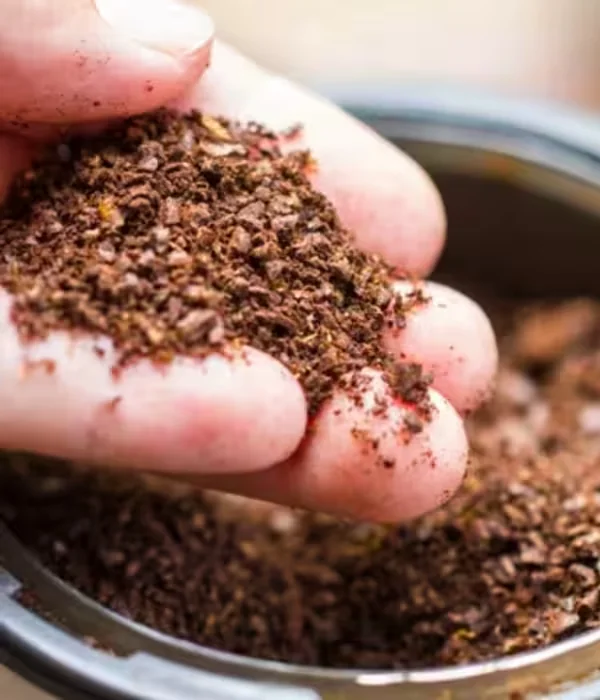
Hand holding freshly collected spent coffee grounds

Every café, office pantry and hotel kitchen in Malaysia throws away spent coffee grounds every single day. Most of it goes straight into the general waste bin, gets trucked to landfill, and quietly rots — producing methane and leaving nothing behind but a disposal cost. That is a waste stream hiding in plain sight. Kaffy exists to close that loop. We collect the spent grounds, press them into desk pieces, gifts and surface panels, and brand them on the same factory floor — so the coffee your team drank on Monday can come back as a branded product your company gives out, with a real diversion figure attached.

This page explains what a coffee grounds collection programme is, how much a typical Malaysian business generates, where those grounds usually end up, how much waste collection actually diverts, and how Kaffy's halal-safe, own-factory loop keeps the whole cycle local. First, a short look at what upcycled coffee grounds can become.

What is a coffee grounds collection programme?

Quick answer

A coffee grounds collection programme is an arrangement where a business hands its spent grounds to an upcycler instead of binning them, and gets them back as a product plus a diversion record. With Kaffy, the same grounds become the raw material behind our products, which is why collection sits at the heart of our coffee-ground material and sustainability story.

A collection programme is simple in principle: instead of paying to throw grounds away, a business sets them aside for an upcycler who turns them into something new. What separates a real programme from a feel-good gesture comes down to four things:

Miss any one of these and it stops being a programme and becomes marketing. A bin labelled "coffee grounds" that gets emptied into the same truck fails the first test. Grounds shipped overseas fail the last. Kaffy's loop is built to pass all four, because we are the maker at the end of it — the grounds have a guaranteed destination.

  • Grounds are actually collected, not just "encouraged". There is a real handover — a scheduled pickup or drop-off — so the grounds leave the waste stream, rather than a poster asking staff to try harder.
  • The material goes into a product. The grounds are pressed into desk pieces, gifts or panels — a defined second life, not vague "composting somewhere".
  • The diversion is measured. Volume collected is recorded, so the partner gets a real kilograms-diverted figure for reporting, not an estimate.
  • The loop stays local. Collection, pressing and branding happen in Malaysia, so there is no long export trail to explain in a sustainability review.
Key takeaway

A collection programme only counts when grounds are genuinely collected, turned into a product, measured for diversion, and kept local — Kaffy's own-factory loop is designed to clear all four.

How much spent coffee grounds does a Malaysian business generate?

Quick answer

More than most owners expect — from around 6kg a month for an office pantry to 250kg for a roastery. The chart below shows illustrative monthly spent-grounds volume by Malaysian business type, the starting point for sizing any collection plan.

The numbers add up faster than they look. A single coffee chain outlet at 90kg a month sends more than a tonne of spent grounds to waste in a year. A cluster of five office pantries in one corporate building can match an independent café. That is the quiet scale collection is built to capture — and because the weight is real, the diversion figure a partner reports is real too, not a rounded-up guess.

Illustrative Monthly Spent Coffee Grounds Generated by Malaysian Business Type (2026)

Business typeSpent grounds generated per monthKg/month
Office pantry (mid-size)
6
Independent café
40
Coffee chain outlet
90
Hotel / F&B outlet
150
Roastery
250

Illustrative volumes modeled on Kaffy collection-planning estimates, 2026. Actual volume depends on cups served and brew method; confirmed per partner at sign-up.

Key takeaway

Even a mid-size outlet generates tens of kilograms of spent grounds a month — enough that collection turns a routine disposal cost into a measurable diversion figure.

Where do spent coffee grounds usually end up?

Quick answer

Most spent grounds go to landfill in the general waste bin, where organic matter breaks down and releases methane. The comparison below sets the usual disposal routes against a Kaffy collection loop across what happens to the grounds, whether waste is diverted, and whether anything is documented — the same evidence logic behind our ESG corporate gifts.

The difference is not just environmental — it is whether anyone can prove anything. A giveaway jar by the counter feels green but diverts little and records nothing. Mixed food waste may be composted, but without a weight the company cannot claim it in a report. Only the collection loop produces both a real destination and a number, which is why it is the route that survives a sustainability review. Businesses already measuring their office footprint often pair collection with locally made pieces from our sustainable office furniture range.
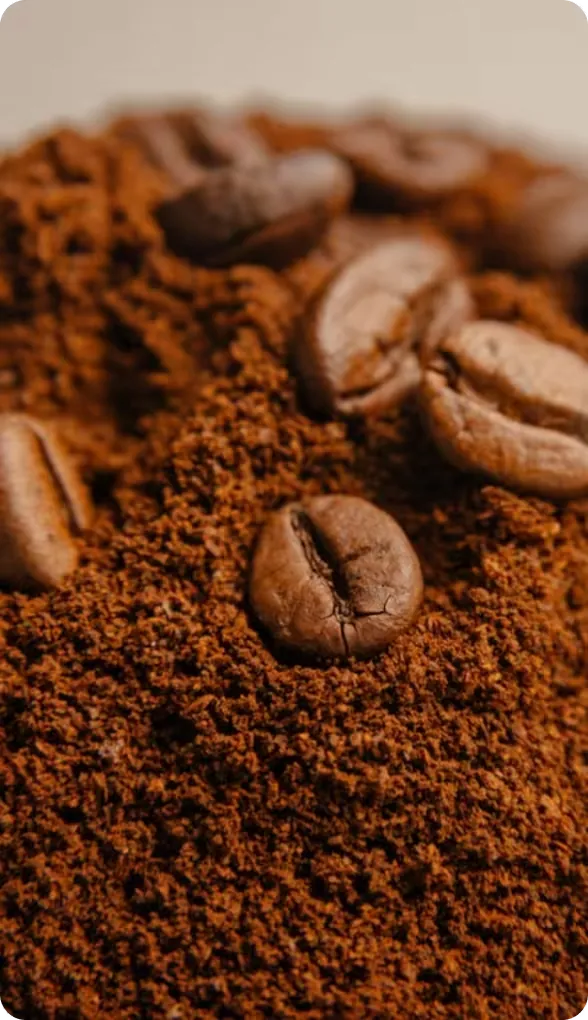
Macro view of milled coffee grounds and roasted beans

Spent Coffee Grounds Disposal Routes vs the Kaffy Collection Loop (Illustrative)

RouteWhat happens to the groundsWaste divertedDocumented
Kaffy collection loopPressed into branded products locallyYes — measured by weightYes — diversion record
General waste binLandfill; breaks down, emits methaneNoneNone
Mixed food-waste streamComposted or landfilled, untrackedPartial, unclearRarely
Ad-hoc staff giveawaySome taken home, rest binnedSmall, inconsistentNone

Illustrative comparison compiled by Kaffy from collection-planning guidance, 2026. Directional, for planning; not a lifecycle assessment.

Key takeaway

Bin, mixed-waste and giveaway routes divert little and record nothing — only a proper collection loop gives both a real destination and a documented figure.

How much waste does a collection partnership divert in a year?

Quick answer

A partnership diverts twelve times its monthly volume a year — from around 72kg for a small pantry to 1,800kg for a hotel outlet. The chart below shows the illustrative annual spent-grounds diversion by monthly collection tier, the figure that becomes a reportable ESG line.

The value of the figure is what it becomes on a report. A hotel outlet diverting 1,800kg a year has a concrete number to place next to a photo of the branded products those grounds became — a far stronger line than "we support recycling". Because Kaffy logs each collection by weight, the reported total matches what was actually picked up, not a brochure average. Over a two- or three-year partnership, that running total becomes a genuine sustainability track record.

Illustrative Annual Spent Grounds Diverted by Monthly Collection Tier, Kg (2026)

Monthly collection tierDiverted per yearKg/year
6 kg/month (office pantry)
72
40 kg/month (café)
480
90 kg/month (chain outlet)
1,080
150 kg/month (hotel outlet)
1,800

Illustrative figures modeled on Kaffy collection-planning estimates, 2026. Each partner's actual annual total is confirmed from logged collection weights.

Key takeaway

Annual diversion runs from tens to well over a thousand kilograms depending on volume — a documented, order-specific figure your ESG report can defend, not a vague claim.

Is interest in coffee-ground collection rising in Malaysia?

Quick answer

Yes. As sustainability reporting becomes routine for Malaysian companies, more businesses now ask to supply their own grounds rather than just buy finished products. The trend below shows the rising share of Kaffy corporate enquiries that ask about a collection partnership, tracking the shift toward measurable, closed-loop sourcing.

The driver is governance, not fashion. As sustainability disclosure expectations reach more Malaysian companies and their suppliers, teams want procurement decisions they can evidence — and a closed loop where their own waste becomes their own branded gift is about as evidenced as it gets. Once a company sees it can turn a disposal cost into a reportable diversion figure and a branded product in one move, the enquiry shifts from "what can we buy" to "can you collect from us". That is the change the trend captures.

Share of Kaffy Corporate Enquiries Asking About a Collection Partnership (Illustrative Trend)

YearEnquiries asking about collectionShare
2023
8%
2024
17%
2025
29%
2026 (YTD)
41%

Illustrative trend modeled on Kaffy enquiry-mix estimates, 2023–2026. Directional, not audited market share.

Key takeaway

Collection is moving from novelty to standard ask, driven by reporting expectations — more companies now want their own waste to become their own documented, branded diversion story.

Reporting on waste this year?

Close the loop with your own grounds and get the diversion figure your ESG file needs.

Is the Kaffy collection loop halal-safe, local and CSR-ready?

Quick answer

Yes. The whole loop — collection, pressing and branding — runs in Malaysia in Kaffy's own factory, and every finished piece is halal-safe by policy. Partners get an upcycled origin, a diversion record for reporting, and branded products with MOQs from as low as 50 units. Kaffy is the B2B arm of PNH Malaysia Sdn Bhd.

A collection programme is only as good as what happens after the grounds are picked up. This is where doing everything in our own factory earns the partnership its CSR sign-off:

That combination is why a collection partnership appeals beyond the sustainability team. Procurement gets branded product it would have bought anyway, marketing gets a story customers believe because it is the company's own coffee, and finance sees a disposal cost turn into brand value. The loop answers all three ESG pillars in one arrangement.
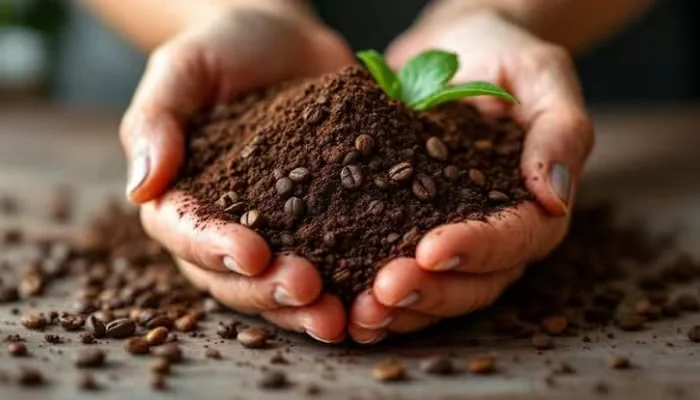
Hands cupping spent coffee grounds with a young seedling
  • Halal-safe by policy (social). Finished products carry no alcohol-based finishes and no pork-derived materials, so anything given back to staff or clients is fair across a Malay, Chinese and Indian workforce.
  • Local, closed loop (environmental). Grounds are collected, pressed and branded in Malaysia — no export trail — so the diversion story holds up under review.
  • Own-factory customisation. Laser engraving, colour matching and logo placement happen under one roof, with MOQs from as low as 50 units and lead times from around four weeks on finished products.
  • Documented for reporting (governance). Logged collection weights plus itemised delivery paperwork give a clean, auditable line for a CSR or ESG file.
Key takeaway

The Kaffy loop covers all three ESG pillars — halal-safe for the social, local and closed for the environmental, and weight-logged for the governance — while turning your own waste into branded product.

How do you join the Kaffy coffee grounds collection programme?

Quick answer

Four steps: enquire, set the schedule, collect and press, report back. Share your outlet type and rough monthly volume through the request-a-quote form, agree a pickup rhythm, and Kaffy handles the rest — returning branded products and a diversion figure.

Here is the process from first enquiry to a running loop:

  • Enquire with your volume. Tell us your outlet type, rough monthly grounds volume and what branded products you'd like back. We reply with a collection plan and a per-piece product quote.
  • Set the schedule. We agree a pickup or drop-off rhythm and provide guidance on storing grounds so they stay clean and dry between collections.
  • Collect and press. Grounds are logged by weight, then pressed, engraved and finished into your chosen products in Kaffy's own factory.
  • Report back. You receive the branded products plus a diversion record showing the weight collected, ready for your CSR or ESG file.
Key takeaway

One form starts the loop — and because collection, pressing and branding all sit in one factory, the grounds you set aside come back as branded product with a diversion figure attached.

Conclusion: turn your coffee waste into a reportable asset

Coffee grounds collection only works when the grounds have a guaranteed second life — and that happens when the collector and the maker are the same local company. That is what Kaffy offers: a closed loop that takes the spent grounds your business bins today, presses them into branded products in one Malaysian factory, and hands back both the product and a weight-logged diversion figure. You get a halal-safe, own-factory process, MOQs from as low as 50 units, and a disposal cost turned into brand value your ESG report can defend.

This programme is one part of the wider Kaffy offer. When you are ready, explore the Kaffy corporate hub, see how the same collected material becomes sustainable office furniture, or read the full coffee-ground material and sustainability story behind the loop.

Pressed coffee-ground pucks beside bowls of milled grounds

From Waste to Product – Turning Coffee Grounds Into Something Reusable

Source video: How A Company Is Turning Coffee Grounds Into Reusable Cups on YouTube

Frequently Asked Questions

What is a coffee grounds collection programme?
How much spent coffee grounds does my business produce?
Can Kaffy give us a waste-diverted figure for our ESG report?
Is the whole process halal-safe and made in Malaysia?
Do we have to buy products to join the collection programme?

Ready to turn your coffee waste into branded product?

Send us your outlet type and rough monthly grounds volume — we'll come back with a collection plan, a per-piece product quote and the weight-logged diversion figure your ESG file needs.